



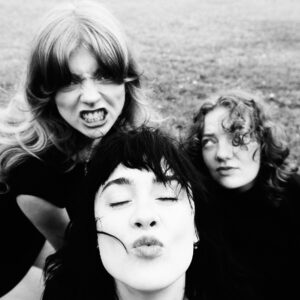
Foto-© Copper Taylor-Bogaars
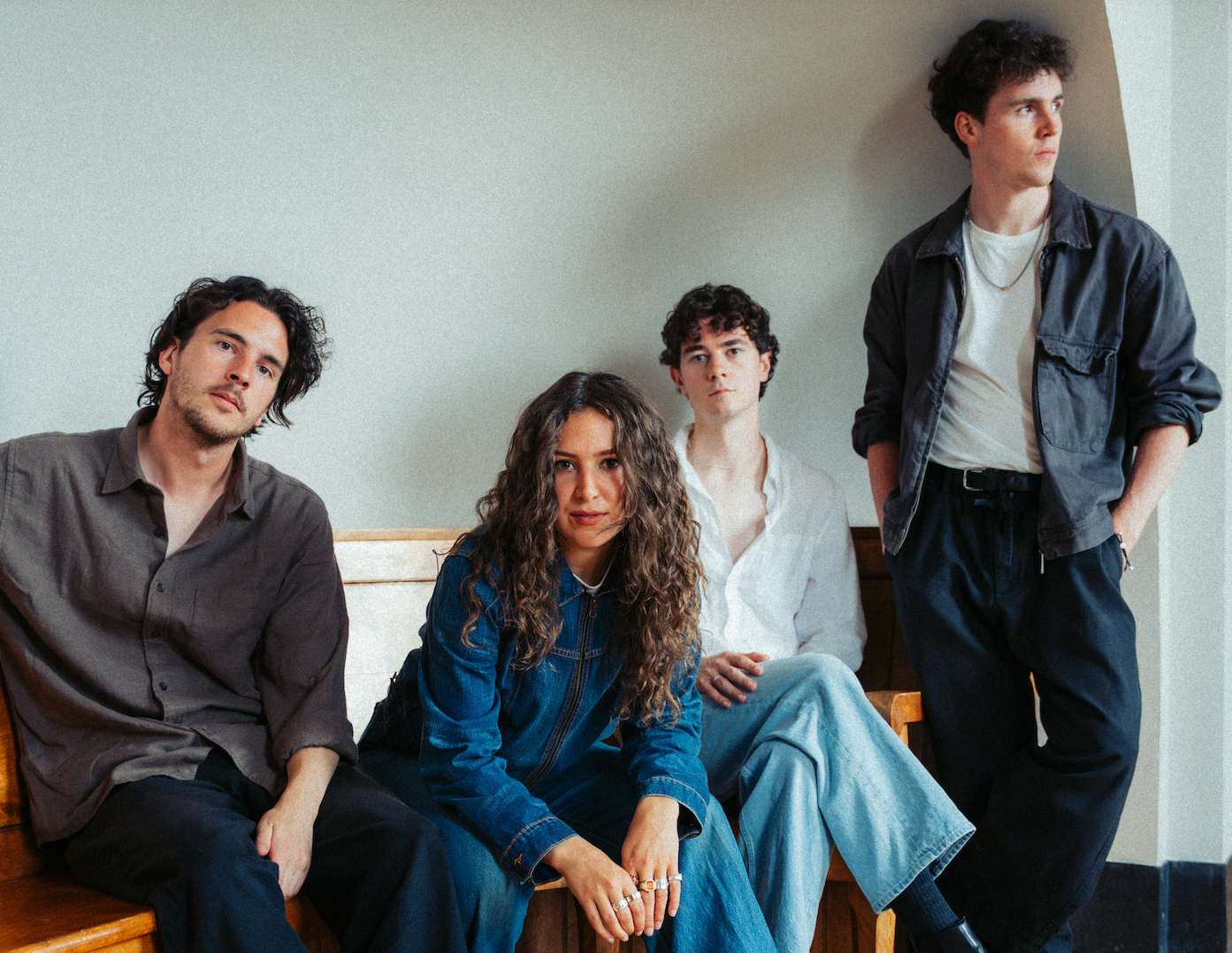
Hört man die Musik der in Melbourne/Naarm ansässige Band Folk Bitch Trio – bestehend aus Gracie Sinclair, Jeanie Pilkington und Heide Peverelle – wird schnell klar, dass es sich um eine Band mit drei verschiedenen Standpunkten handelt. Pilkington wuchs mit zwei Musikereltern auf und bringt prägende Erinnerungen mit, wie sie ihnen bei ihren Auftritten zusahen, wie sie Gillian Welch und Lucinda Williams hörte und wie sie sich ihren eigenen Weg als Berufsmusikerin vorstellte. Peverelle verbringt ihre Freizeit mit Kunst- und Möbelbau; diese Hobbys sowie ihre Liebe zur alten und neuen Popmusik sind Ausdruck einer Liebe zum Taktilen, zum Selbstgemachten und zum Handgemachten. Sinclair ist der selbsternannte Spaßvogel der Gruppe, aber ihr Geschmack ist eher dunkel, gotisch, barock und dramatisch, was sich in ihrer Liebe zu Oper und Ballett sowie zu so unterschiedlichen Musiker*innen wie Patti Smith, Nirvana und Tchaikowsky ausdrückt. Sie kennen sich seit der Highschool und haben vor fünf Jahren begonnen, gemeinsam Musik zu machen – und nächste Woche erscheint ihr Debütalbum Now Would Be A Good Time, Ende August spielt das Trio beim Golden Leaves, mehr Gründe brauchten wir nicht, um die Band mit Fragen via Mail zu löchern! Unser Interview:
 When did you start to make music and what made you start in the first place?
We all began making music separately probably as very young children.. but in serious performing and recording capacities, specifically together, it was the end of our final year of school. We were immersed in a deep well of creative influence at the time – we had the opportunity to see artists like Julia Jacklin, Aldous Harding and Cate Le Bon as very young 18-year-old-adults, swaying in awe, with our first legal pints of beer. Around the time of those shows we all subconsciously understood that is what we would like to do too, if only we could figure out how.
We didn’t think that we would magically get there by singing together, but we had passion to work with and needed to put it somewhere.
You’ve met in high school, when did you first chat on making music together and what was the occasion of forming a band?
Jeanie sent a text into a group chat asking Heide and Gracie to be in a “folk bitch trio” for fun. They happily agreed, and had a hang out session that involved a slightly more designed spending of time with guitars and singing and vulnerable song-sharing in Heide’s mum’s backyard.
Did you always have the intention to form the band and have a career in music from the start?
No. It was very much, and still is centered around fun and enjoying making things together. We take it seriously so that we get to do it more often.
Your music does sound very timeless and is very rich in harmonies – why did you choose to make folk music and are there artists that are role models for you sound wise?
The fact that we sing in 3 part harmony is a product of us employing the tools at our disposal, rather than by design. We didn’t set out to create folk music, we are all songwriters who wanted to play together who’s strengths happen to be good singing and guitar playing.
This is of course influenced by our songwriting heros like Gillian Welch, Joni Mitchel, Neil Young, Wilco…
What would you say is special about folk music and what makes your music folk music?
I think what makes ‘folk’ is a story telling, most likely auto-fictional angle to songwriting, in combination with a modernisation of lyricism. If you can take words, images, phrases that are in you and your surrounding peers current vernaculars and subconsciousnesses and put them into a piece of music, you are tapping into a zeitgeist. That’s what we angle for, at least.
You started to do music together five years ago – now you have already played with acts like King Gizzard, Alex G and Julia Jacklin, toured across Australia, Europe and the US, are signed to Jagjaguwar and are now releasing your debut record. How does it feel, looking back on this road and now seeing everything form to this?
Amazing, we are so thrilled to be on the ride that we are on. We are also grateful to be able to look back on our achievements with pride for having put in a lot of hard work to achieve them. All in all, we are happy to be able to continue doing what we love to do!
Before Now Would Be A Good Time your songs were written individually – now for the record you worked together on them while on tour. How would you describe did this change the process for you personally, the songs and maybe also your roles in the band?
Thats not entirely true. These songs were still largely written by the member singing lead. However, the task of putting a record together and polishing such a large body of work meant that all hands were on deck in every aspect possible. Loose ends in songs, little conundrums regarding a particular arrangement or tone were solved by one another, so in this way we had to be as collaborative as possible.
The album was then recorded in Auckland with Tom Healy – can you describe a bit the production process, how, when and where it came into life, what was the best/what the worst moment during production and what is the most told anecdote of that time?
Every morning, turning the tape machine on and making coffees were the first tasks to be taken care of. We worked with our producer Tom Healy in Roundhead Studios in Tāmaki Makaurau, Auckland, New Zealand and lived together in an Air BnB for a month while we did so. We spent all day in the studio recording, and then came home and made dinner, watched movies, and then did it all again the next day. We relished in asking Tom to regale tales from other artists who he had worked with in Roundhead, and got him to retell a certain tale about some american Trap Stars a few times.
Why did you choose to work with Tom Healy as producer and which influence did he have on the songs?
We first did a session with Tom when we were on a tour stop over in Auckland and instantly got along really well. He listened to our opinions and guided us with a near invisible hand to get done what had to be done. We felt like the picture we saw at the end was true to what we wanted to represent, so we were keen to work together on the whole record. Toms influence was egoless, he is a master of just serving the songs and the artist he’s working with. If you can see him somewhere in the music, I’d say it would be in the joyful ‘Candy’ sprinkled throughout, and the warmth that he pulls from every voice and instrument as an engineer.
We read that recording on tape machine was a key to find the right sound for the record – what makes it so special in your opinion?
It creates a more immediate work-with-your-imperfections workflow, and just has that classic warmth that you can’t replicate. Like watching a movie that’s been shot on film, it has a certain golden glow that you know when you see.
Is there a song that stands out for you on the record personally, which and why?
Favourites on the record change constantly, and I think that’s the beauty of them.
Do you have a work routine when writing songs and if so, how does it look like?
Usually we get the bulk of a song written alone. I can speak for myself (Gracie) In that my process mainly revolves around making myself sit down and use my entire mind for longer than I want to, until I solve the problems. I often see it like capturing a day dream, and then untangling it, filling in the empty spaces like a crossword until it makes sense. Then we arrange it together.

In which situations do you usually write the lyrics for the songs and is there a special surrounding / atmosphere that you work best in?
Gracie here, once again. I am usually sitting on the end of my bed with my guitar in my lap, looking out my window staring into space. I think the Ideal situation is to have played guitar and sung earlier in the day so that you’re warmed up, and also that you have played other songs (great ones, that you love, ones that are currently sparking your interest) so that you have something to measure up to.
As you are also addressing a lot of very personal themes on the songs – was it easy from the start to open up in lyrics or how did you overcome concerns during the lyric processing?
We have all always written like this, Its the kind of songwriting we all like to enjoy from other artists too.
We have all said that we feel like our natural sense of humor is sort of a license to talk about gravely serious things in music.
The Actor is the first single of the record and also one of our favorites – could you tell us a bit about the story behind it, how and when it was done?
The Actor was a literal and metaphorical story of Heide getting their heart broken, but in a general sense it’s about the mask you wear when you first start dating someone and how often it’s hard to truly know someone until it gets hard.
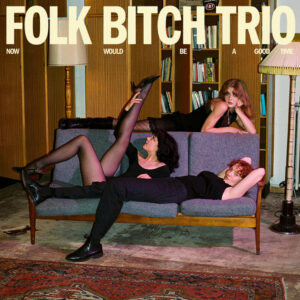
How did you come up with the album title Now Would Be A Good Time and what’s the story behind it?
Much like the band name, the record title came about very organically. It’s a lyric from one of the songs in the record, Foreign Bird. Jeanie suggested it after a long day in the studio and we all knew it was just right.
You’re signed to Jagjaguwar – the home of acts like Bon Iver, Angel Olsen, Sharon Van Etten and many more – how did it come to this?
It was our last day in LA after a couple of months on tour last year. We were exhausted and almost cancelled the lunch with Jagjaguwar A&R. Good thing we didn’t! From there the signing happened quite quickly. We really love and admire a lot of the other acts on the label and to now be amongst them feels very special.
What are your next plans as a band?
Our next plans are to release and tour this record! It’s really easy to just think about ‘what’s next?’ but for now we’re trying to stay present and enjoy this time while tinkering away on new songs for the eventual second record.
What should we know and what shouldn’t we know about Folk Bitch Trio?
You should know that we love to have fun and think we’re pretty funny too. There’s plenty you shouldn’t know, but that’s a secret…
What are you doing when you’re not doing music?
We’re often together hanging out with our other friends. That’s probably our favourite thing to do.
What was the last record you brought?
The last record I bought (Heide here) was Court and Spark by Joni Mitchell. I found it in Suffragette Records in Hobart after we played an instore there. It’s a beautiful second-hand copy of a record that I was obsessed with when we first started the band. If you’re ever falling in love, listen to Help Me on that album.
What did you learn in 2025?
So far we have learned to enjoy and appreciate what is around! It’s simple and cheesy but true… We spend a lot of time running around going from one thing to the other and often thinking about what is next so it’s been an important lesson to just take a moment sometimes.
Folk Bitch Trio live:
31.08.25 Darmstadt, Golden Leaves Festival

