



 Foto-© Chemikal Underground
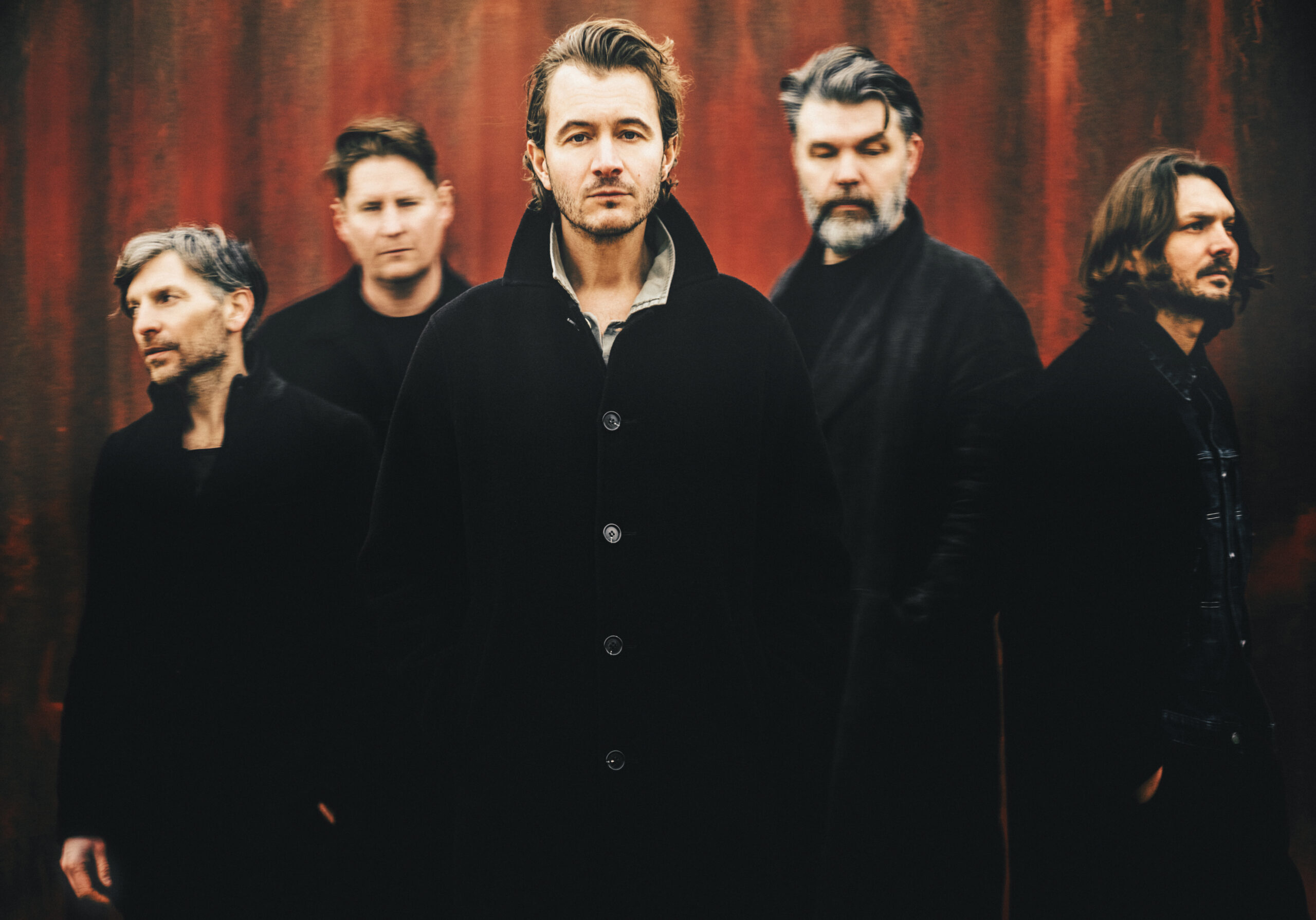
Schottland-Fans wird beim Gesang von Louis Abbott schon durch den Klang der Worte gleich warm ums Herz. Der Frontmann der Glasgower Band Admiral Fallow singt in diesem markanten, herzhaften Dialekt, der sofort Sehnsuchtsbilder im Kopf erzeugt. Die zwischen Folk, Chamber-Pop und inzwischen auch dezenten Art-Rock-Elementen angesiedelte Musik des vor 18 Jahren gegründeten Quintetts verstärkt diese wohlig-behagliche Stimmung noch zusätzlich. Kurz gesagt: Admiral Fallow machen die derzeit schönsten epischen Lieder aus dem rauen hohen Norden der britischen Insel.
Auf ihrem fünften Studioalbum First Of The Birds (Veröffentlichung: 31. Oktober 2025, Chemikal Underground) haben Louis Abbott (Gesang, Gitarre, Keyboards), Sarah Hayes (Gesang, Keyboards, Flöte), Kevin Brolly (Keyboards, Klarinette), Phil Hague (Schlagzeug) und Joe Rattray (Bass) erneut unter der Produktionsregie von Paul Savage ihren opulenten Sound weiter verfeinert. Im Interview nennen sie als Referenzen Sufjan Stevens, Bruce Springsteen, The Flaming Lips, John Grant und Radiohead. All diese Künstler lassen sich auf der Platte heraushören – und doch klingt First Of The Birds sehr eigen. Und natürlich, zum Glück: immer noch sehr schottisch. Wir haben Sarah und Louis zu ihrem Werdegang und zu den neuen Songs befragt.
Hi Sarah, hi Louis, so great to meet you. After twenty years as a band, with a line-up unchanged from your 2010 debut album, you release your fifth album First Of The Birds soon – and it’s so gorgeous, so heartwarming. You must be quite proud of it. Your best work yet?
Sarah Hayes: Thank you! We’re very proud of this record and it feels positive to be sending some new music out into the world. We take the music seriously but try not to take ourselves too seriously now, which weirdly is probably a sign of maturity…
If you look back at your beginnings – your well received first album Boots Met My Face, and then three more great records. Please describe your development as a band. Is there a common thread from Boots… to … Birds?
Sarah: Reflecting on the five records, our music probably covers a relatively broad range in terms of instrumentation, lyrical subject matter, production choices, dynamics, styles. But I think for me the important thing that draws it all together is the core band – our personalities and the way we write, play and hang about together, and the fact that it’s centred around Louis’ distinctive songwriting.
If you’re asked for a self-description as a band, your musical genre/style – what’s your answer?
Louis Abbott: I’ve always enjoyed ‚chamber-pop‘.
Sarah and Louis, please tell us about your personal musical background, former bands, side projects.
Louis: I’m from Edinburgh originally but, like Sarah, I moved to Glasgow aged 18 to study on a classical music degree. I grew up listening to a lot of my parents’ records but my real love of music properly started when I began learning the drums in high school. I picked up little bits of guitar from friends and began messing around with early songwriting in my late teens. When I write songs it’s almost exclusively with Admiral Fallow although I have recorded and toured with a bunch of different artists over the years including Camera Obscura, King Creosote, Rachel Sermanni, Kris Drever, and Eddi Reader.
 Sarah: I grew up in Northumberland, in the north-east of England, and got involved in music from a young age. I loved folk and traditional music and there were lots of things happening culturally in the region which sparked my interest. I moved to Glasgow in 2005 to study and met the rest of Admiral Fallow there. All my work is freelance and it includes quite a bit of teaching. I released a solo record 10 years ago, a kind-of concept album called Woven. Over the last few years, I’ve been part of various Field Music-related projects including You Tell Me, played in the Andrew Wasylyk live band and co-produced the debut record by fiddle player Laura Jane Wilkie. I’m also part of Hen Hoose, a collective of women and non-binary writers and producers.
Admiral Fallow come from a celebrated pop music background, the vibrant Glasgow scene. Do you feel as a part of this famous musical history, with fabulous bands like Orange Juice, Deacon Blue, Love & Money, The Blue Nile, Belle and Sebastian? Do You think of your folkrock based sound as typically Glaswegian/Scottish?
Sarah: One of the reasons I chose to move to Glasgow was that it’s such an amazing music city. I had secretly hoped to form a band and luckily it happened! I’m not sure if the music is typically Scottish, but of course it can’t help but be influenced by both personal experience and perhaps its wider historical context. We tend to sing in our own accents, which also helps. As well as considering the more well-known exports of the Scottish music scene, it also feels important to acknowledge the smaller communities within it – artists, venues, promoters, collectives, people who just generally make things happen. We wouldn’t exist without them.
Admiral Fallow is one of those rare bands without a change of line-up in a 20 years history. How did you achieve that? Perfect harmony or just high tolerance?
Sarah: To some extent we’ve grown up together through our twenties and thirties. I can’t honestly say it’s always been perfect harmony! But we’re probably more forgiving of one another’s quirks than we’ve ever been. More empathetic. We have developed a musical sensibility and communication which feels like coming home (particularly as we’re all involved in so many other projects) and we tend to laugh at the same things, which goes a long way.
A Sarah quote, taken from your Bandcamp site: “It comes from us having more confidence to just play together as a group. There’s a shorthand to how we work together, and how we experiment now, that has come from being together for so long. I don’t think we could have worked in this way at any other point in the past eighteen years.” So, how did you write/conceive/arrange your new songs? As a unit of five or six band members? Do you, Sarah and Louis, feel as „bandleaders“? How important was/is the mighty Mr. Savage as your long time producer?
Sarah: Most of the songs on the new album began life during Covid lockdown. They existed in Louis’ notebooks and voice memos for a while, before we managed to get together for initial jam sessions at the end of 2022 and early 2023. Inevitably, we all have more responsibilities and commitments than we did when we first started as a band – so the process ended up being informed by that. We got together to try out ideas, either as a five-piece or in smaller groupings, documented rehearsals, made our own demos at home and actually left quite a few song arrangements fairly open so we could build them in the recording studio. Of course, the original songs begin with Louis so he is absolutely bandleading in that sense – but in order for a solid group dynamic to exist, he brings them to us, demonstrating open-mindedness when we all start throwing our own ideas and parts in there. Musically we are pretty democratic. Practically speaking, we don’t have a manager so need to be pretty organised and divide up jobs between us – accounting, social media, liaising with promoters and agent, planning rehearsals, booking studio time, meetings. The behind-the-scenes stuff… We’ve worked with producer Paul Savage on all our albums and it feels like a real collaboration at this point. His ears are the best in the business, he’s open to trying new approaches, and he brings such creativity to the mixes.
The sound of your new album has changed a little bit, in my ears at least. Even more harmonic, more tender, more grown-up. Some artpop, sophisticated pop, wall-of-sound elements in it, too. Would you agree?
Sarah: It’s always interesting to hear what comes across to someone outside the band, especially at this stage when we’re still figuring out how to articulate the sound of the new album in words. Your observations make a lot of sense. I don’t think we consciously tried to shape things in this way though – in fact we didn’t have too many discussions around musical reference points, but all the various influences find their way in, don’t they? I think we’ve always had a push-and-pull between the more acoustic-based compositions and full band widescreen moments, so that does feel like a common thread, but we’ve executed things differently this time for sure.
Here’s an old Louis quote (2009) about writing songs: „All are taken from real life events. There’s no fiction. I’m not into making up stories or characters for the sake of trying to stir emotions. They are songs about friends and family as well as a fair bit of self-evaluation.“ Did that change? How did you write your recent lyrics – „about friends and family“ again, as a father of two small kids?
Louis: Some of that old quote still rings true in that I do find it hard to write about subjects I have no personal experience with. But I find now, almost 20 years later, that even if the core theme of a song isn’t necessarily about me, I can still find some of myself in there. That said, a lot of the lyrics on this new record are about the last few years of life, starting a young family of my own and reflecting on that huge change.
So please, Louis, let’s do the track by track review of First Of The Birds now. Give us some thoughts about these eleven new songs.
1. First Names (Storms)
Louis: The album is bookended by two lullabies. This one is the more chaotic of the two and nods towards the storms we face in our lives, metaphorical or otherwise, whilst promising to keep those whom we love close to us. It’s quite a different sound for us which ultimately is one of the reasons we liked it as an album opener. Musically inspired by Sufjan Stevens’s Age of Adz era – we love Sufjan.
2. Living For You
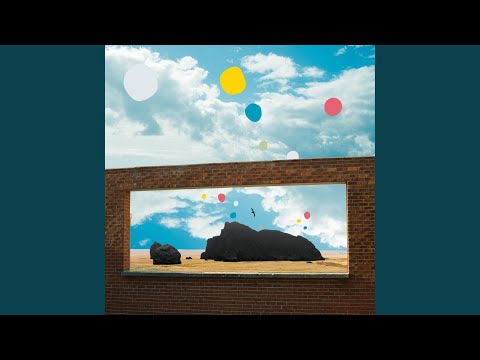
One of three songs on the album that, lyrically, came very quickly – without overthinking or redrafting – early one morning whilst my second kid slept next to me on the sofa. I was literally writing down what was happening in those moments. Taking a breath to recognise the scale of the sea change in my life over the few years that preceded that early morning rise. Musically it’s a marathon as opposed to a sprint. I love the build.

3. The Shortest Night
This one wears its influences on its sleeve. A big bombastic pop song inspired musically by early Bruce Springsteen and The Flaming Lips. It’s probably one of the first songs written during this period with early sketches sang into my voice memos on big walks around the parks of Glasgow. Lyrically it’s about imagined phone calls with friends and family during a time when we were all locked away at home, not able to be with each other: “I’m not sure we’ll ever recover from this.“

4. Avalanche
Another of the songs that lyrically came to me early in the morning and explores a similar space as Living For You. Originally we played the whole song as a waltz but decided to shake things up by changing the feel of the verses and deliberately making them feel quite small and intimate which in turn allows the choruses to really bloom. Our producer/collaborator Paul Savage did some really cool things with the drums on this one to help solidify those shifts in feel.

5. Interlude: The First Of The Birds
A short audio palate cleanser with field recordings from the aforementioned walks around green spaces in Glasgow.

6. Headstrong
Lyrically this one started as an exploration into an imagined character of a certain age. Someone who has lots of sides and edges to their character, which when looked at from a certain angle could be both positive and negative sides. The chorus is a little more introspective and personal; a note to self to overthink and procrastinate less. In essence, the song is a playful reflection on getting older. It’s a really fun one to play live.
7. Dead In The Water
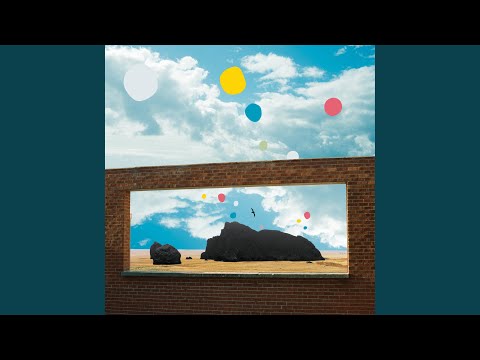
This song lay as a half finished lyric fragment for a few years before one day the rest of the words just clicked and fell out. It is one of the most straightforward arrangements we’ve done together as a band which is one of the reasons I really like it. It kind of plays itself. There’s lots of Mellotron on this record as featured on this track.

8. Daydreaming (Why Any Of This?)
This one was the exact opposite to Dead in the Water in that it took a long time working it up in the studio to finally realise the arrangement. We weren’t sure if it would ever make it to the finish line but I’m really glad we persevered with it. Lyrically it was inspired by an episode of the podcast ‚This American Life’ which told a short story of a daughter asking her father some really BIG questions in order to spend more time with him.
9. To Not Be Left Behind
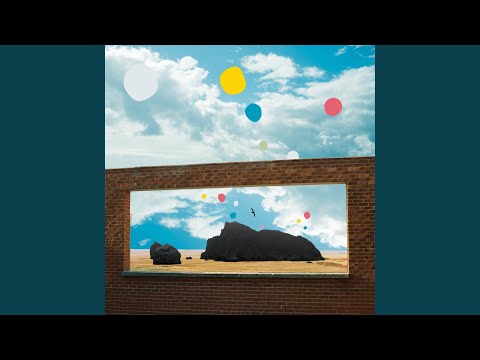
The very first little lyrical note I made after the birth of my first kid back in 2019. Again, I was simply writing down what was happening in that moment – on a flight with nothing to do but sit in a bit of a daze and try to reflect on the first few days and weeks of fatherhood. I remembered that in those early days, when you’re so on edge and in protective mode, that every little sound you hear can be mistaken for your child crying out for attention: “Every closing door sounds like a tiny cry”. Musically it has shades of John Grant and Radiohead – artists we have great respect for. It’s supposed to sound a bit like you’re churning around in a washing machine.

10. Overcoat
A simple song about moving to a new part of the city and starting fresh in a new community. Taking joy in the very mundane, every day tasks that such a move brings. It felt musically a bit of an outlier so we played with some fun sounds and leant into that. Sarah is playing a piano prepared using rolls of tape to dampen the strings; we put a phaser on the drums at one point and played around with a lot of synths and woodwind to add space and lightness.

11. All The Distractions
The second lullaby. This one was written as a little poem originally. I improvised a melody into a voice note before coming up with some chords that fitted that melody. I’ve never worked a song in that order before but it did something interesting for this one. I often like the records that finish with something more reflective and make you take a little breath before carrying on with your day. This is a good headphone moment. Unlike previous AF records there isn’t loads of clarinet on this one. But Kev played some lovely moments on this final track which hopefully remind long term fans who they’re listening to.

